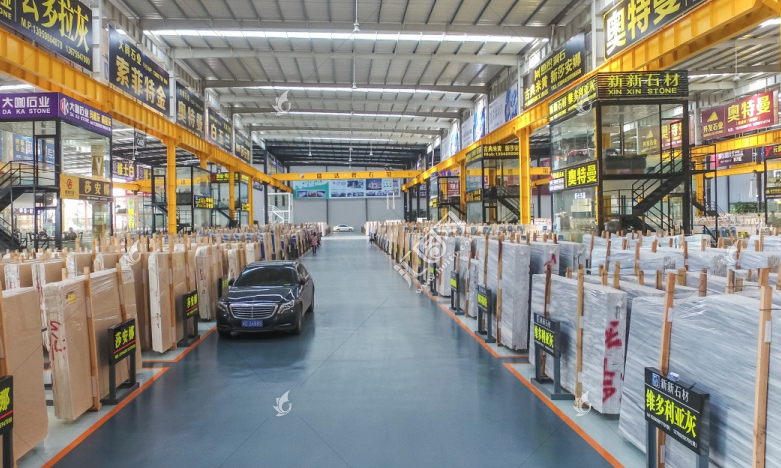
As global architecture and design evolve, the stone industry stands at a crossroads of tradition and innovation. Once synonymous with timeless elegance, natural stone is now redefining its role in a world prioritizing sustainability, technology, and versatility. Here’s how the industry is shaping the future.
1. Sustainability Takes Center Stage
With environmental concerns escalating, clients and architects are demanding eco-friendly materials. The stone industry is responding by:
-
Adopting Circular Economy Practices: Recycling waste from quarries and workshops into aggregates for construction or decorative tiles.
-
Reducing Carbon Footprints: Optimizing transport logistics and investing in energy-efficient processing technologies.
-
Promoting Local Sourcing: Shortening supply chains to minimize emissions while supporting regional economies.
For example, companies like StoneTech Global are pioneering "zero-waste" quarries, where every fragment is repurposed, aligning with LEED certification standards.
2. Technology Reshapes Design and Production
Digital tools are revolutionizing how stone is conceptualized and crafted:
-
3D Modeling and AI: Designers use software like SketchUp and AutoCAD to create intricate patterns, enabling precision cuts and reducing material waste.
-
CNC Machines and Robotics: Automated cutting and polishing systems enhance efficiency, allowing for complex geometries that were once impossible.
-
Augmented Reality (AR): Clients can visualize stone installations in real-time through apps, bridging the gap between design and reality.
A case in point is Marble Mastery Inc., which employs AI-driven analytics to predict trends, ensuring inventory aligns with market demands.
3. Versatility Meets Modern Aesthetics
Gone are the days when stone was limited to floors and countertops. Today, it’s a dynamic material for:
-
Facades and Cladding: Lightweight engineered stone panels offer durability and weather resistance, ideal for high-rise buildings.
-
Custom Art Installations: Artists collaborate with fabricators to create sculptural pieces, blurring the lines between architecture and art.
-
Hybrid Materials: Composite stones infused with resins or recycled materials provide enhanced flexibility for curved surfaces.
The 2025 Global Stone Report highlights a surge in demand for "living stone" designs—features like integrated lighting or water elements that transform spaces into immersive experiences.
4. Global Market Dynamics: Challenges and Opportunities
While the industry thrives, it faces hurdles:
-
Supply Chain Disruptions: Geopolitical tensions and logistics bottlenecks have led to price volatility. Companies are diversifying sourcing regions to mitigate risks.
-
Labor Shortages: Skilled artisans are scarce, prompting investments in training programs and automation.
-
Competition from Alternatives: Quartz and porcelain slabs challenge natural stone’s dominance, pushing brands to emphasize unique veining and authenticity.
Yet, opportunities abound. Emerging markets in Asia and Africa are driving demand for affordable luxury, while Europe and North America focus on premium customization.
5. The Future: A Harmonious Blend of Tradition and Innovation
The stone industry’s resilience lies in its ability to adapt. By embracing sustainability, leveraging technology, and expanding creative applications, it’s poised to redefine spaces for generations to come.
For architects, designers, and homeowners alike, natural stone remains a symbol of permanence—now reimagined for a dynamic world.
Embrace the Stone Revolution. Build with Vision.
For industry insights and innovative solutions, connect with us at [Xiamen Newkey Stone Co., Ltd. / www.newkey-stone.com].
 newkey